

Why Authentic Spanish Literature Matters in Dual Language Programs
Building Biliteracy, Identity, and a Lifelong Love of Reading
Walk into a thriving dual language classroom and you will notice something beyond the bilingual word walls and partner-reading routines: the books on the shelves tell stories that were born in Spanish. They are not translations of English bestsellers reassembled word-by-word; they are tales written by Latin American and Spanish authors who think, dream, and craft their narratives in the language your child is learning. That distinction matters far more than most people realize.
Authentic vs. Translated: Why the Difference Matters
Spanish is a syllable-based, transparent language, meaning it follows consistent phonetic rules that differ significantly from English. When a book is simply translated from English, it often carries over sentence structures, idioms, and rhythms that feel unnatural to a native Spanish reader. Authentic Spanish literature, on the other hand, flows the way the language is actually spoken, uses culturally grounded expressions, and models the grammar patterns that students need to internalize.
Programs that recognize this distinction see stronger outcomes. Researchers at the What Works Clearinghouse have documented that well-implemented dual language programs produce measurable gains in reading achievement, and literacy experts emphasize that authentic Spanish-language arts curricula outperform translated English materials when it comes to building true biliteracy.
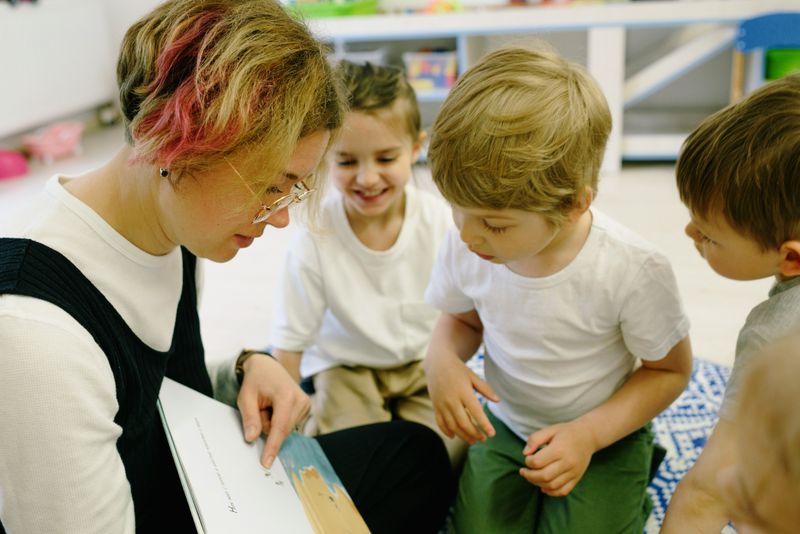
Young learners engage with a read-aloud, one of the most powerful ways to build vocabulary in any language. Photo by Ksenia Chernaya / Pexels
Windows, Mirrors, and Cultural Identity
Dr. Rudine Sims Bishop famously described books as "windows, mirrors, and sliding glass doors." For the millions of Spanish-speaking children in U.S. schools, authentic literature serves as a mirror, reflecting their families, traditions, and lived experiences back to them in a way that validates who they are. Research on culturally responsive teaching in bilingual classrooms has found that children identify more deeply with characters and stories that represent their realities, and that this connection translates directly into greater motivation to read.
When a child sees their abuela's sayings, their neighborhood's sounds, and their family's traditions on the page, reading stops being a school task and becomes a personal experience.
At the same time, these books act as windows for non-heritage Spanish learners. A child who is learning Spanish as a new language gains not just vocabulary from an authentic text but a genuine glimpse into another culture's humor, values, and storytelling traditions. This dual benefit makes authentic literature an indispensable tool in any classroom that serves both heritage and non-heritage speakers.
The Brain Benefits of Biliteracy
Neuroscience research consistently shows that learning to read in two languages strengthens executive functioning, including skills like task-switching, working memory, and sustained attention. Studies have found that bilingual students develop increased brain density in regions associated with language processing. These cognitive advantages extend well beyond the classroom and persist into adulthood. Providing students with high-quality, engaging reading material in Spanish helps ensure that the language side of their brain gets the rich input it needs to grow.
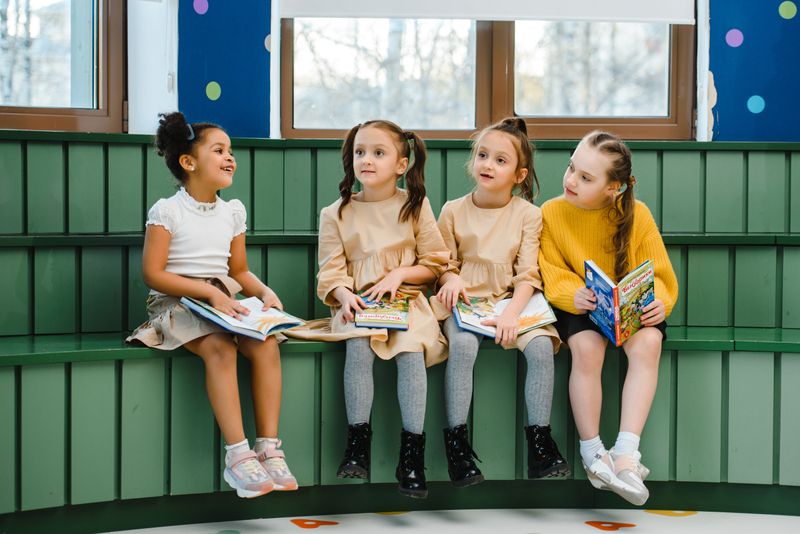
Independent reading time gives students the chance to explore authentic texts at their own pace. Photo by Anastasia Shuraeva / Pexels
What Parents and Educators Can Do
Supporting authentic Spanish literacy does not require overhauling an entire program overnight. Here are a few meaningful steps that make a real difference.
Stock shelves intentionally. Seek out books written originally in Spanish by authors from diverse Latin American and Spanish-speaking countries. Look for publishers like Ediciones Ekaré, Fondo de Cultura Económica, and Grupo SM that specialize in high-quality children's literature in Spanish.
Go beyond the translation test. Before adding a Spanish title to a classroom library, check whether it was originally written in Spanish or translated from English. Both have a place, but the ratio should lean heavily toward authentic texts.
Celebrate translanguaging. Many authentic books naturally incorporate code-switching, weaving Spanish and English together the way bilingual families actually speak. Embracing this in the classroom validates students' bilingual identities and helps them see their home language practices reflected in print.
Read aloud and read often. Shared read-alouds of authentic Spanish picture books are one of the simplest and most effective strategies for building vocabulary, comprehension, and a love of reading, especially in the early grades.
The Bigger Picture
Dual language education is one of the most promising approaches to closing achievement gaps and building a more multilingual society. But the quality of the books on the shelf matters just as much as the structure of the program itself. Authentic Spanish literature gives students the culturally rich, linguistically accurate, and emotionally resonant reading experiences they deserve. When we put the right books into children's hands, we are not just teaching them to read in two languages; we are telling them that both of their languages, and both of their worlds, matter.
At Había Una Vez — Spanish Book Fairs, this belief is at the heart of everything we do. We partner with schools to bring carefully curated collections of authentic Spanish literature directly to students and families through in-person and online book fairs. Every title we carry is selected for its cultural authenticity, literary quality, and ability to spark a love of reading in two languages. If your school is looking for a meaningful way to put authentic Spanish books into students' hands, we would love to help.
Versión en Español
Por qué la literatura auténtica en español es fundamental en los programas de lenguaje dual
Construyendo biliteracidad, identidad y un amor por la lectura para toda la vida
Al entrar a un salón de lenguaje dual exitoso, notará algo más allá de los muros de palabras bilingües y las rutinas de lectura en parejas: los libros en los estantes cuentan historias que nacieron en español. No son traducciones de bestsellers en inglés reensamblados palabra por palabra; son relatos escritos por autores latinoamericanos y españoles que piensan, sueñan y construyen sus narrativas en el idioma que su hijo está aprendiendo. Esa distinción importa mucho más de lo que la mayoría de la gente cree.
Auténtico vs. traducido: por qué importa la diferencia
El español es un idioma silábico y transparente, lo que significa que sigue reglas fonéticas consistentes que difieren significativamente del inglés. Cuando un libro simplemente se traduce del inglés, a menudo arrastra estructuras oracionales, modismos y ritmos que resultan poco naturales para un lector nativo de español. La literatura auténtica en español, por el contrario, fluye como realmente se habla el idioma, utiliza expresiones culturalmente arraigadas y modela los patrones gramaticales que los estudiantes necesitan internalizar.
Los programas que reconocen esta distinción obtienen mejores resultados. Investigadores del What Works Clearinghouse han documentado que los programas de lenguaje dual bien implementados producen avances medibles en el rendimiento de lectura, y los expertos en alfabetización enfatizan que los currículos auténticos de artes del lenguaje en español superan a los materiales traducidos del inglés cuando se trata de construir una verdadera biliteracidad.
Los pequeños lectores participan en una lectura en voz alta, una de las formas más poderosas de desarrollar vocabulario en cualquier idioma. Foto de Ksenia Chernaya / Pexels
Ventanas, espejos e identidad cultural
La Dra. Rudine Sims Bishop describió célebremente los libros como "ventanas, espejos y puertas corredizas de vidrio". Para los millones de niños hispanohablantes en las escuelas de Estados Unidos, la literatura auténtica funciona como un espejo que refleja sus familias, tradiciones y experiencias vividas de una manera que valida quiénes son. Las investigaciones sobre la enseñanza culturalmente receptiva en aulas bilingües han encontrado que los niños se identifican más profundamente con los personajes e historias que representan sus realidades, y que esta conexión se traduce directamente en una mayor motivación para leer.
Cuando un niño ve los dichos de su abuela, los sonidos de su vecindario y las tradiciones de su familia en la página, la lectura deja de ser una tarea escolar y se convierte en una experiencia personal.
Al mismo tiempo, estos libros funcionan como ventanas para los estudiantes de español que no son hablantes de herencia. Un niño que está aprendiendo español como nuevo idioma obtiene no solo vocabulario de un texto auténtico, sino una visión genuina del humor, los valores y las tradiciones narrativas de otra cultura. Este doble beneficio hace de la literatura auténtica una herramienta indispensable en cualquier salón que atienda tanto a hablantes de herencia como a los que no lo son.
Los beneficios cerebrales de la biliteracidad
Las investigaciones en neurociencia demuestran consistentemente que aprender a leer en dos idiomas fortalece las funciones ejecutivas, incluyendo habilidades como la alternancia de tareas, la memoria de trabajo y la atención sostenida. Los estudios han encontrado que los estudiantes bilingües desarrollan una mayor densidad cerebral en las regiones asociadas con el procesamiento del lenguaje. Estas ventajas cognitivas se extienden mucho más allá del salón de clases y persisten hasta la edad adulta. Proporcionar a los estudiantes material de lectura de alta calidad y atractivo en español ayuda a asegurar que el lado lingüístico de su cerebro reciba la rica estimulación que necesita para crecer.
El tiempo de lectura independiente les da a los estudiantes la oportunidad de explorar textos auténticos a su propio ritmo. Foto de Anastasia Shuraeva / Pexels
Lo que pueden hacer los padres y educadores
Apoyar la alfabetización auténtica en español no requiere reformar un programa entero de la noche a la mañana. Aquí hay algunos pasos significativos que marcan una verdadera diferencia.
Llene los estantes con intención. Busque libros escritos originalmente en español por autores de diversos países latinoamericanos y de habla hispana. Busque editoriales como Ediciones Ekaré, Fondo de Cultura Económica y Grupo SM que se especializan en literatura infantil de alta calidad en español.
Vaya más allá de la prueba de traducción. Antes de agregar un título en español a la biblioteca del salón, verifique si fue escrito originalmente en español o traducido del inglés. Ambos tienen su lugar, pero la proporción debe inclinarse fuertemente hacia los textos auténticos.
Celebre el translenguaje. Muchos libros auténticos incorporan naturalmente la alternancia de códigos, entrelazando español e inglés de la manera en que las familias bilingües realmente hablan. Aceptar esto en el salón de clases valida las identidades bilingües de los estudiantes y les ayuda a ver sus prácticas lingüísticas del hogar reflejadas en la escritura.
Lea en voz alta y lea con frecuencia. Las lecturas compartidas en voz alta de libros ilustrados auténticos en español son una de las estrategias más simples y efectivas para desarrollar vocabulario, comprensión y amor por la lectura, especialmente en los primeros grados.
El panorama general
La educación en lenguaje dual es uno de los enfoques más prometedores para cerrar las brechas de rendimiento y construir una sociedad más multilingüe. Pero la calidad de los libros en el estante importa tanto como la estructura del programa en sí. La literatura auténtica en español les brinda a los estudiantes las experiencias de lectura culturalmente ricas, lingüísticamente precisas y emocionalmente resonantes que merecen. Cuando ponemos los libros correctos en las manos de los niños, no solo les estamos enseñando a leer en dos idiomas; les estamos diciendo que ambos idiomas, y ambos mundos, importan.
En Había Una Vez — Spanish Book Fairs, esta creencia está en el corazón de todo lo que hacemos. Nos asociamos con escuelas para llevar colecciones cuidadosamente seleccionadas de literatura auténtica en español directamente a estudiantes y familias a través de ferias de libros presenciales y en línea. Cada título que ofrecemos es seleccionado por su autenticidad cultural, calidad literaria y capacidad de despertar el amor por la lectura en dos idiomas. Si su escuela busca una manera significativa de poner libros auténticos en español en las manos de los estudiantes, nos encantaría ayudar.
Image Credits: All photos used under the Pexels free license. Photos by Yan Krukau, Ksenia Chernaya, and Anastasia Shuraeva on Pexels.
